Listen to “A Safer Start for Concrete Scanning Denver”: full episode page and show notes
Listen on SoundCloud: A Safer Start for Concrete Scanning Denver
What concrete scanning can show before a cut
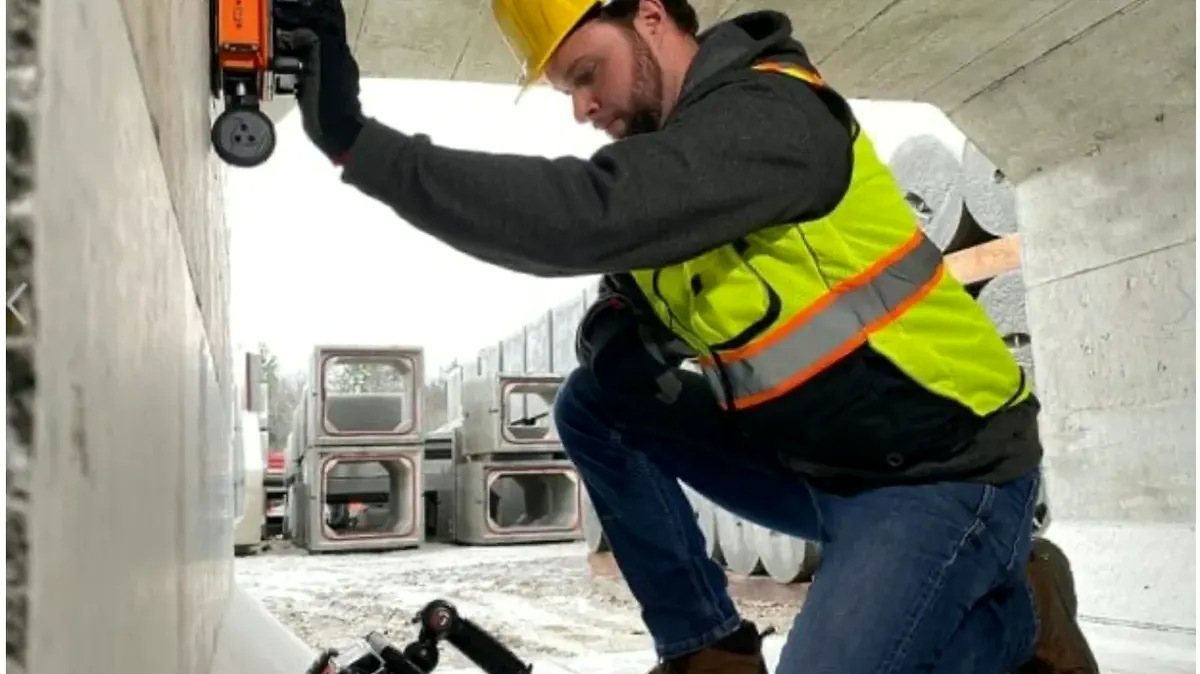
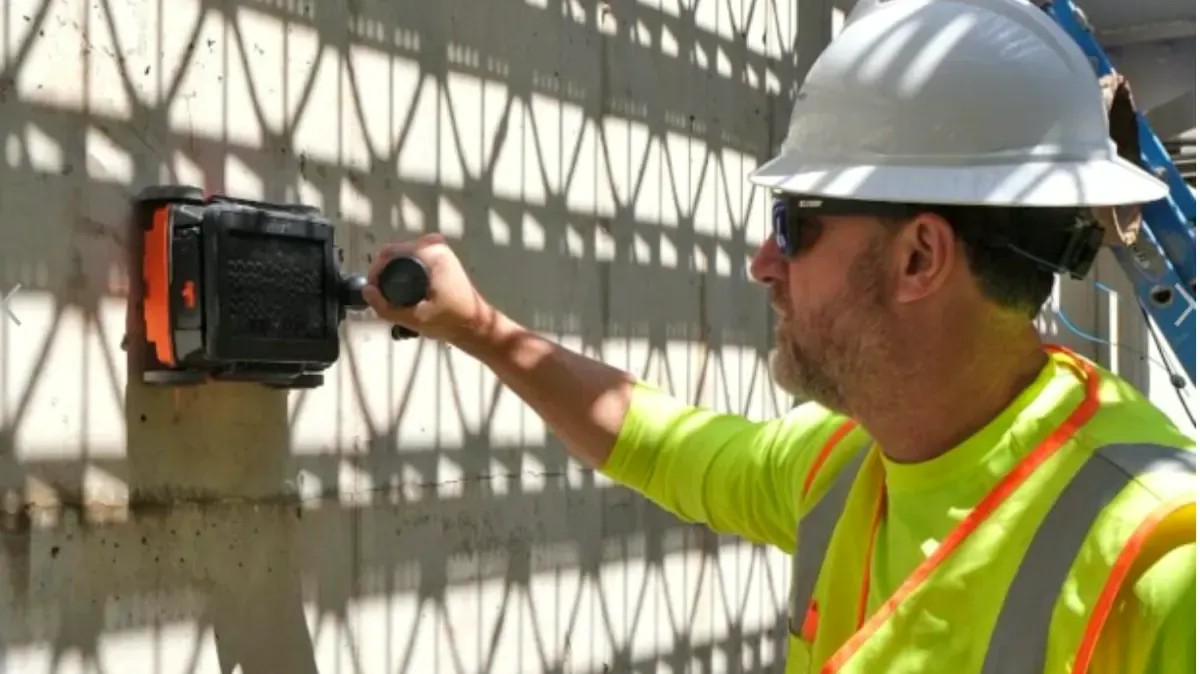
People searching for Concrete X-ray Scanning Castle Rock may be preparing to core, drill, or saw into a slab. Before that work starts, a scan can help locate items within the concrete, including rebar grids, post-tension cables, and embedded conduits. Knowing where detected features run gives your crew information to use when planning the work.
The name can be confusing. Recon GPR provides ground penetrating radar scanning, not radiographic X-rays. GPR sends radar signals into the concrete and uses the returning information to help identify subsurface features. The results depend on the material and site conditions, so a scan is a way to inform decisions, not a promise that every hidden object will be found.
Why Castle Rock crews call Recon GPR
Recon GPR works as an independent third-party scanning and locating provider. That gives a project team a focused scan and on-site markings without asking its concrete crew to do the locating themselves. The findings can help the people planning a core, cut, or drill understand where detected targets are and where marked safe zones are available.
Before booking Concrete X-ray Scanning Castle Rock, share what work is planned and where it will happen. That helps set the scanning area around the actual task. If the planned opening changes, let the scanning provider know so the scan area and marks can be considered for the new location.
How the scan and markings are handled
A typical visit follows a practical sequence:
- Discuss the planned work area and the type of cut, core, or drilling involved.
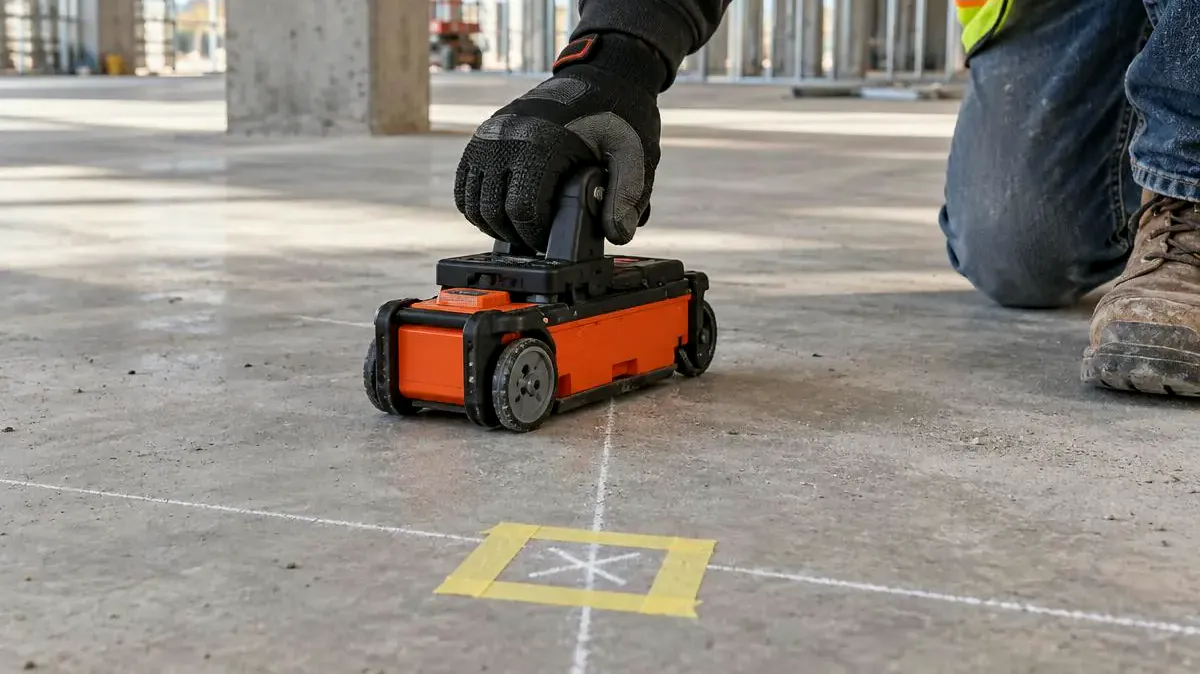
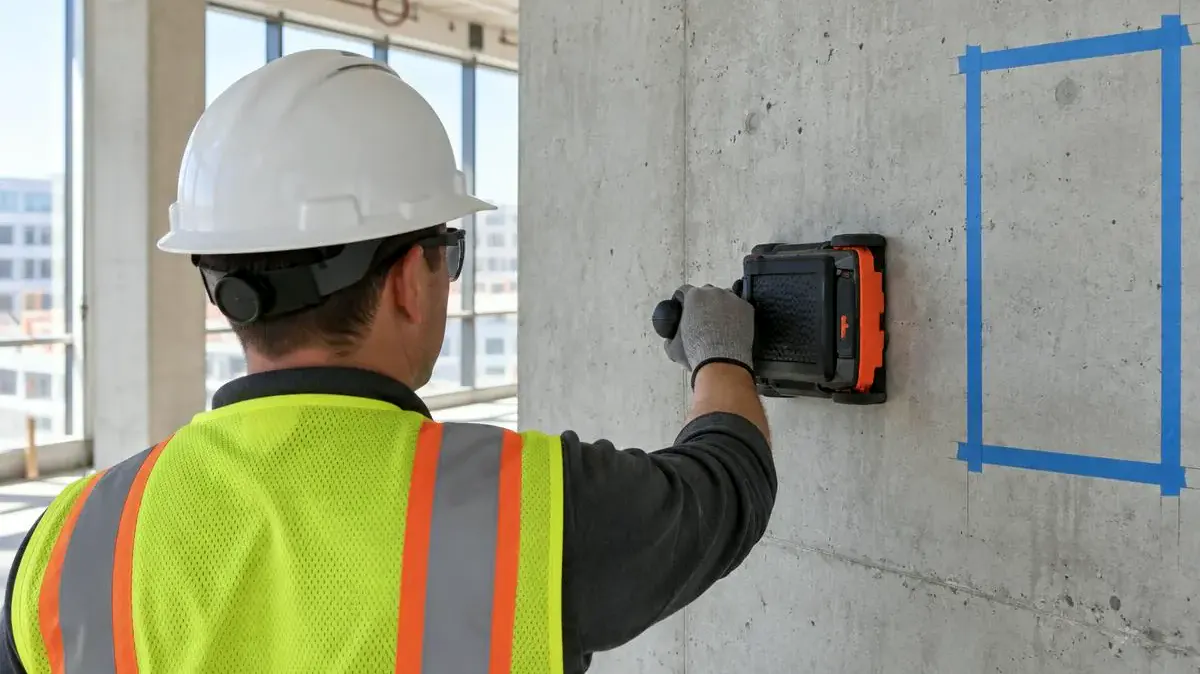
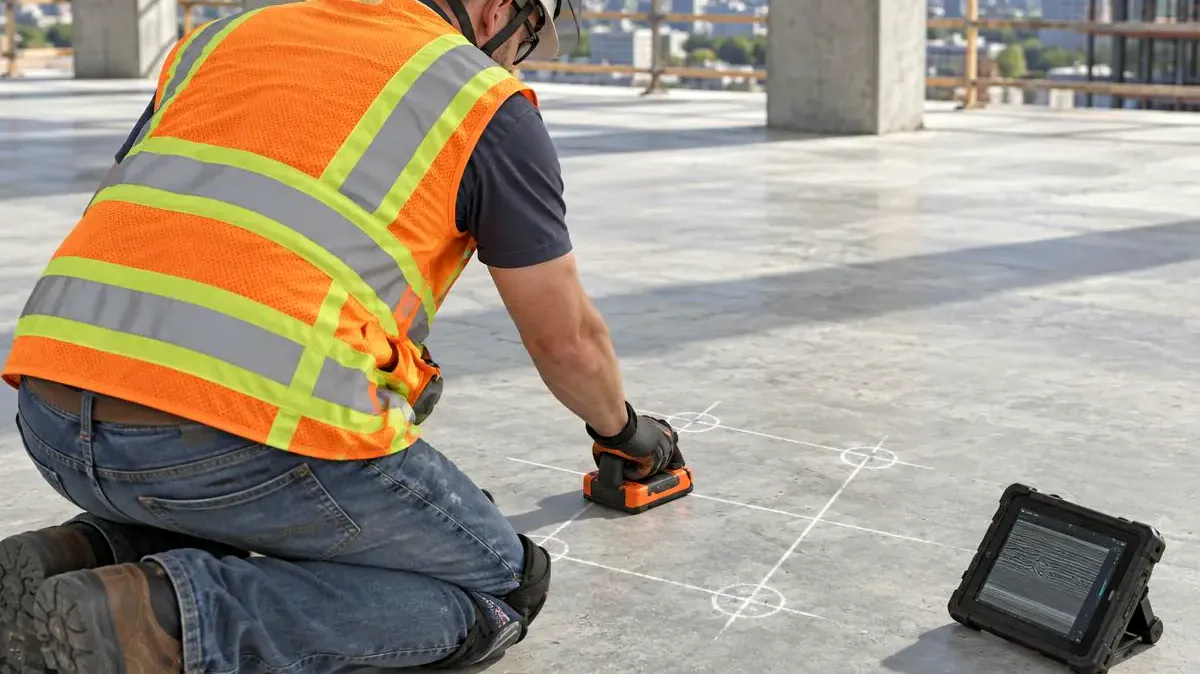
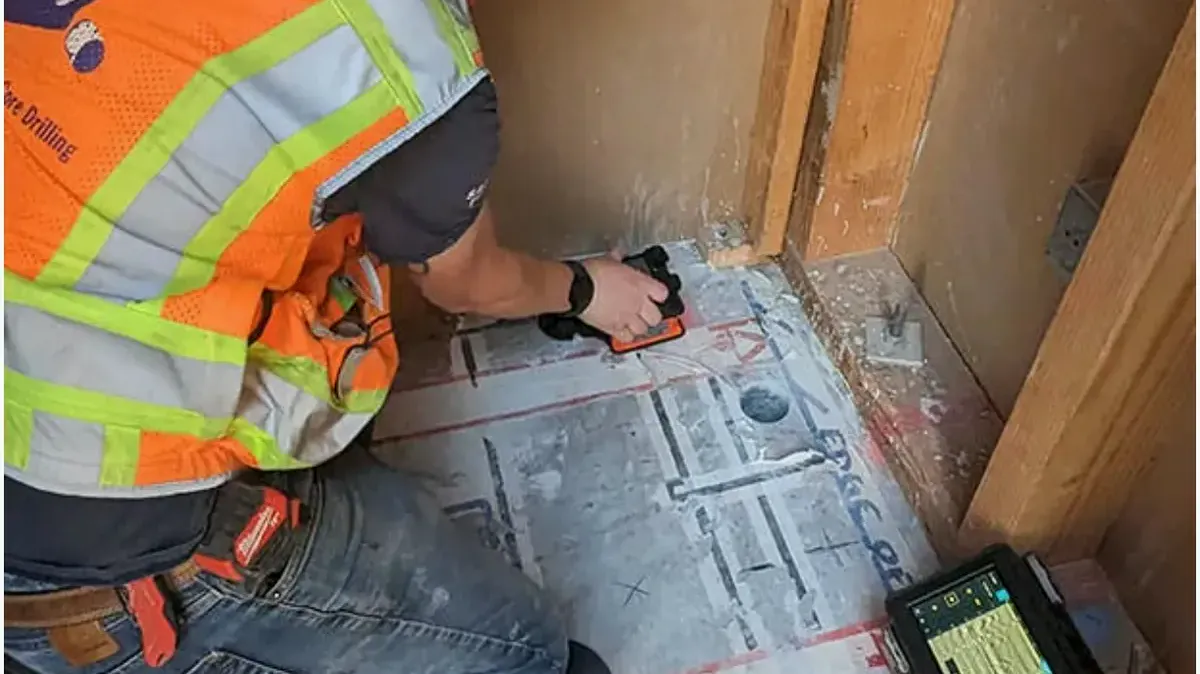
- Scan the relevant concrete surface with GPR to look for rebar, post-tension cables, and conduits.
- Interpret the scan information in relation to the planned work.
- Mark detected features and clear safe zones directly on site for the crew to use.
The crew should review the marks before beginning. Keep them visible while setting out the work, and ask for clarification if the planned opening does not match the area that was scanned. Scanning is most useful when the intended work location is clear and everyone involved knows how to read the markings.
Planning a scan in Castle Rock
Recon GPR serves Castle Rock, along with Denver, the Front Range, and Colorado mountain communities. For a Castle Rock project, the location and planned work area help shape the visit. A scan is relevant when a crew needs to make an opening in existing concrete and the embedded layout is not known or needs to be checked before work proceeds.
Have the job location, the proposed opening, and the planned work ready to discuss when you call. Those details help clarify what portion of the concrete needs attention. Recon GPR focuses on marking findings at the site, so the crew can refer to them where the work is happening.
Arrange concrete scanning before work starts
Concrete X-ray Scanning Castle Rock with Recon GPR means GPR-based locating and clear on-site markings before your crew cuts, cores, or drills. Call Recon GPR at +1720-262-2311 to discuss the project and arrange a scan.
Areas we serve
Concrete X-Ray Scanning Castle Rock: Common Questions
Does Recon GPR use actual X-rays?
No. Recon GPR uses ground penetrating radar to scan concrete. It is not radiographic X-ray imaging.
What can a concrete scan locate?
Recon GPR maps rebar grids, post-tension cables, and embedded conduits. The scan findings are marked on site for the crew to review.
When should I arrange scanning?
Arrange a scan before the planned core, cut, or drilling begins. Be ready to explain the work area so the scan can focus on the intended location.